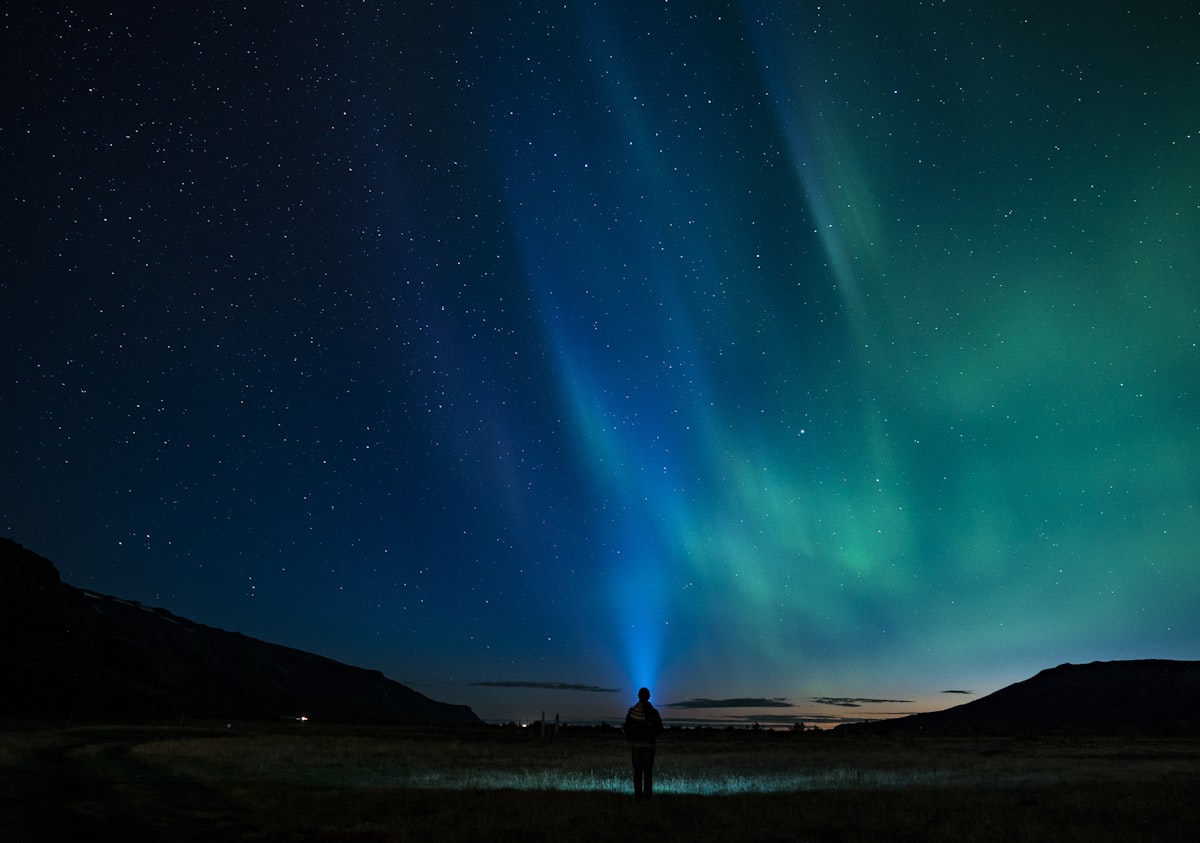
When One Night Is All You Have
Plenty of people pass through Reykjavík with exactly one night to spare — a city break, a stopover, the last evening before an early flight. If that one night happens to fall between late August and mid-April, you have a real shot at the northern lights. Not a guaranteed one. We are honest about the odds elsewhere: across a full season, a single night gives you roughly a 30% chance of a sighting, and one-night trips are the closest thing aurora hunting has to a lottery.
But 30% is not nothing, and the difference between the travellers who catch it and the ones who don’t is rarely luck. It’s preparation. Here is how to squeeze every bit of probability out of your single night.
Step One: Read the Forecast Before You Commit the Evening
The first decision is whether tonight is even worth chasing. Three things have to line up at once: geomagnetic activity high enough to push the aurora over Iceland, a clear sky somewhere you can reach, and real darkness. Darkness is automatic from roughly late August onward. The other two you have to check.
Open the live aurora forecast in the late afternoon. It folds the OVATION nowcast, the solar wind, and real-time cloud observations into a single score for every spot around the capital, refreshed every five minutes. If the Reykjavík-area spots read Possible or better and the cloud picture has gaps, commit to the evening. If activity is flat and the whole region is socked in under low cloud, spend the night somewhere warm and don’t feel guilty — no amount of effort beats a fully overcast sky directly overhead.
The one caveat: forecasts beyond about 48 hours are unreliable in Iceland. Don’t write off your night based on a five-day app prediction you saw last week. Check it live, on the night.
Where to Go: Four Reykjavík Options, Ranked by Effort
You do not need a rental car to see the aurora from Reykjavík, but you do need to get away from the city’s own glow. These four spots trade rising effort for darker skies.
- Öskjuhlíð / Perlan — the easy option. A wooded hill a short walk or taxi from downtown, with the Perlan dome at the top and patches genuinely dark enough to catch a strong display. Good when activity is high and you have no transport.
- Grótta Lighthouse — the classic Reykjavík choice. A flat walk or short drive to the western tip of the Seltjarnarnes peninsula, with an open northern horizon over the sea and far less light spill than the city centre. Watch the tide if you cross to the lighthouse itself. This is the spot most locals send first-timers to, and for good reason.
- Heiðmörk / Rauðhólar / Elliðavatn — a nature reserve on the city’s southeastern edge, 15–20 minutes by car, with proper darkness among the lava and trees. Worth it if you have wheels and the in-town spots are washed out by a bright moon or city light.
- Þingvellir National Park — the serious move. About 45 minutes east, genuinely dark, with a dramatic rift-valley backdrop. If the forecast is strong and you have a car, this is where a one-night chase becomes a memory worth the trip. We’ve written a full Þingvellir viewing guide for exactly this.
No car? You’re not out of luck — our guide to seeing the aurora in Reykjavík without a car covers walkable spots and taxi-friendly options in detail.
Timing: The Hours That Actually Matter
The single most common mistake one-night visitors make is going out too early, glancing at a quiet sky, and giving up. The aurora over Iceland is most active around magnetic midnight — roughly 22:00 to 01:00 — and many of the best displays of the past season only got going after midnight. We break down the hour-by-hour rhythm here.
Two practical rules for your one night:
- Give it at least 45–60 minutes at the spot. Auroras pulse in waves. A five-minute look at a calm sky tells you nothing. Bring a thermos and wait.
- Fight the jet lag. If you arrived that same day, your body will want to quit by 22:30 — exactly when the window opens. A short afternoon nap is the cheapest way to buy yourself the prime hours.
Make the One Night Count
If the forecast is poor and the sky is solid cloud, accept it and enjoy the city — forcing a hopeless chase only ruins the evening. But if there’s a real chance, the playbook is simple: check the live score, pick the darkest spot you can reach, get there before magnetic midnight, dress far warmer than you think you need, and wait.
The Aurora Iceland app tracks all 104 of our scored spots and updates every five minutes, so if a cloud gap opens 30 minutes away at 23:30, you’ll know where to point the car. On a one-night trip, that real-time edge is the difference between a story you tell for years and an early night at the hotel. Check the Tonight page before you head out, and give your single chance the best odds it can have.