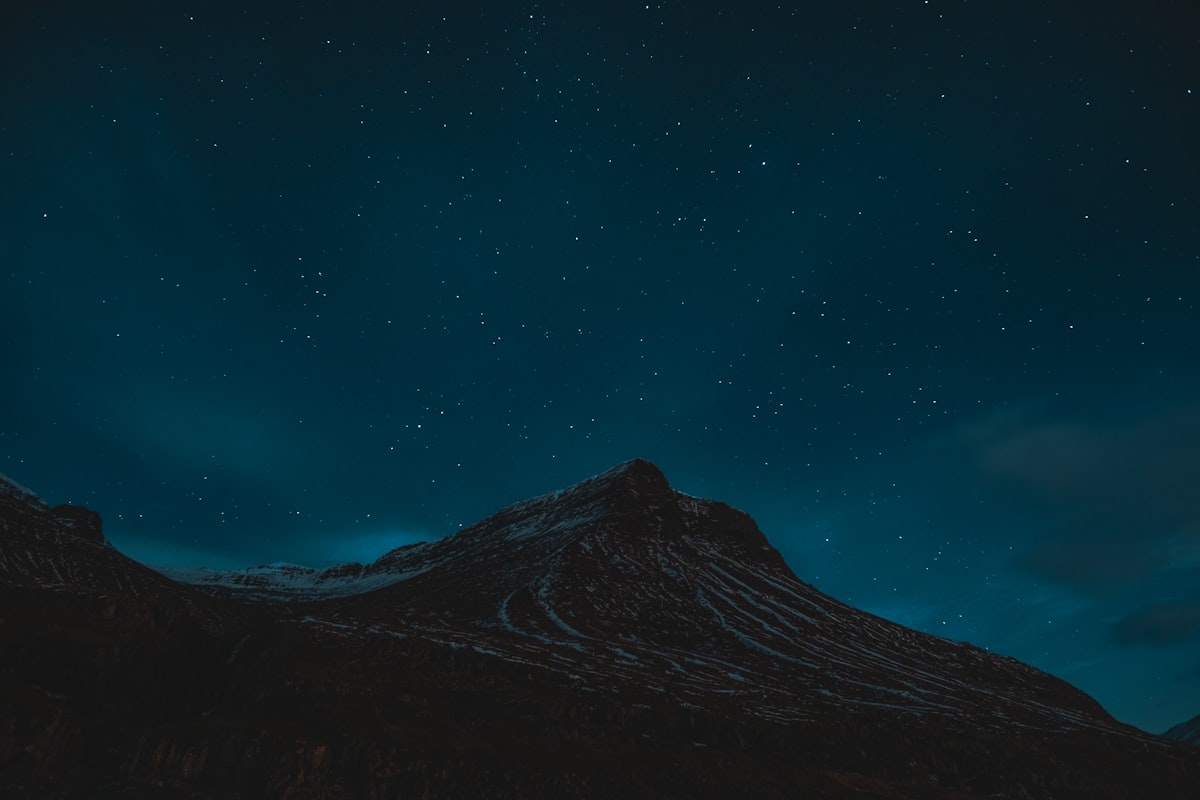
Three Sky Events, One Iceland Night
The calendar has done something unusual for August 2026. On August 12, a total solar eclipse sweeps across Iceland — the first since 1954. The very same night, August 12-13, the Perseid meteor shower reaches its annual peak. And within the following two weeks, Iceland’s nights finally darken enough for the first northern lights of the new aurora season.
Three of the sky’s most sought-after phenomena, stacked onto roughly the same 48 hours. No competitor guide frames all three honestly together, and the honesty matters: each event needs different conditions, and they do not all become visible on the same dark night. Here is what you will actually see, and when.
The Total Solar Eclipse: Twilight in the Afternoon
The eclipse is the anchor event. On the afternoon of August 12, the moon’s shadow crosses Iceland, with totality arriving around 17:48 local time. Iceland keeps UTC year-round, so there is no daylight-saving math to do — the times you read are the times on the ground.
Totality lasts up to 2 minutes and 18 seconds at the most favourable sites along the path, which runs over the Westfjords, the Snæfellsnes Peninsula (including Kirkjufell), Reykjavík, and the Reykjanes Peninsula south of Keflavík. For a full breakdown of the path and the best viewing bases, see our August 2026 eclipse guide.
One thing the eclipse is not: a chance to see the aurora. Totality plunges the sky into an eerie twilight, not true astronomical darkness, and it lasts barely two minutes. The northern lights will not appear during the eclipse. Anyone telling you to watch for aurora during totality is selling a fantasy.
The Perseids: Meteors in the Returning Dark
The Perseid meteor shower peaks the same night, August 12-13. Under ideal conditions the Perseids deliver 50 to 100 meteors per hour, radiating from the constellation Perseus in the northeast.
Iceland in mid-August comes with a real caveat. The midnight sun has ended, but the nights are still short and the sky does not get fully, astronomically dark until later in the month. Sunset around August 12 falls near 22:00 and the genuinely dark window is only a couple of hours either side of true midnight. In practice that means you will catch the brightest Perseids — the fireballs — in the darkest hours after roughly midnight, but not the faint background drizzle of meteors you would see in September.
The fix is the same one that unlocks the aurora: extend your trip past the eclipse. Each night after August 12, Iceland gains darkness fast, and the Perseids keep producing stragglers for a week or more after the peak under an increasingly black sky.
The First Aurora: Why You Need the Late-August Nights
Aurora season in Iceland opens in late August. By the final week of the month, Reykjavík has roughly 14 hours of darkness and astronomical twilight is short enough for bright aurora to show clearly to the naked eye. On eclipse night itself, the sky is still too bright and the season has not truly begun — do not expect northern lights on August 12.
This is the single most important planning point for an eclipse trip. A visitor who flies home on August 14 misses the first aurora nights by about two weeks. A visitor who stays into late August, or returns in September, arrives precisely when the lights switch on. September adds a scientific bonus: the Russell-McPherron effect statistically boosts geomagnetic activity around the autumn equinox, and with Solar Cycle 25 still elevated, autumn 2026 is set up to be exceptional. Our September 2026 forecast and our honest trip-extension guide lay out the day-by-day calendar.
How to Catch a Clear Sky for All Three
For every one of these events, the deciding factor is the same: cloud cover. A single overcast layer hides totality, the Perseids, and the aurora equally well. The one question that actually matters on the ground is where will the sky be clear tonight?
That is exactly what we built. The live aurora forecast updates every five minutes with real-time cloud observations from weather stations across Iceland and scores all 100+ viewing locations individually — so when the coast is socked in, you can see which valley or peninsula has a hole in the clouds and drive to it. The Aurora Iceland app sends push alerts when conditions improve near you, which becomes invaluable in late August as the first aurora nights arrive.
August 12, 2026 gives you a once-in-a-lifetime eclipse and a meteor peak in the same 24 hours. Stay a little longer, and the northern lights complete the set. Plan the trip to span all three, set up your alerts, and let the clear-sky data decide where you stand.